
Breathing Ink is a vocal formation — a rotating collective of voices from Zodiverse Musïc Studïos. Not a band. A constellation.
Each album draws different voices from the Studio’s roster of twelve zodiac-themed personas. For our debut, nine voices carry the songs of five dead Hungarian poets through fifteen stations of love, rage, beauty, and death.
We don’t cover these poems. We don’t set them to music. We let them breathe — in Hungarian and English, through modern genres they never imagined, through voices that didn’t exist when they were alive.
The poets wrote in ink. The ink still breathes.
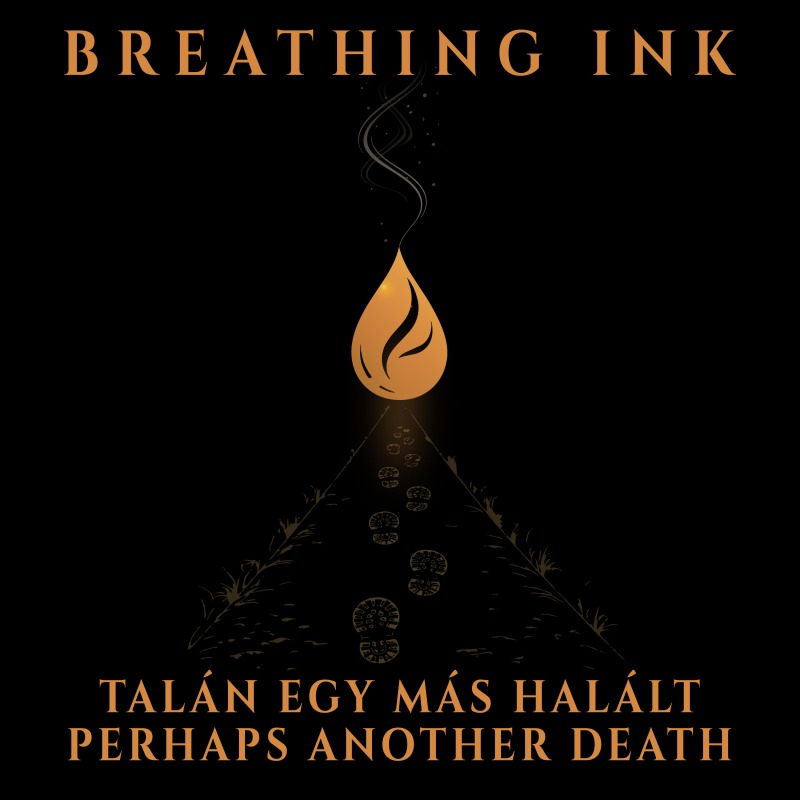
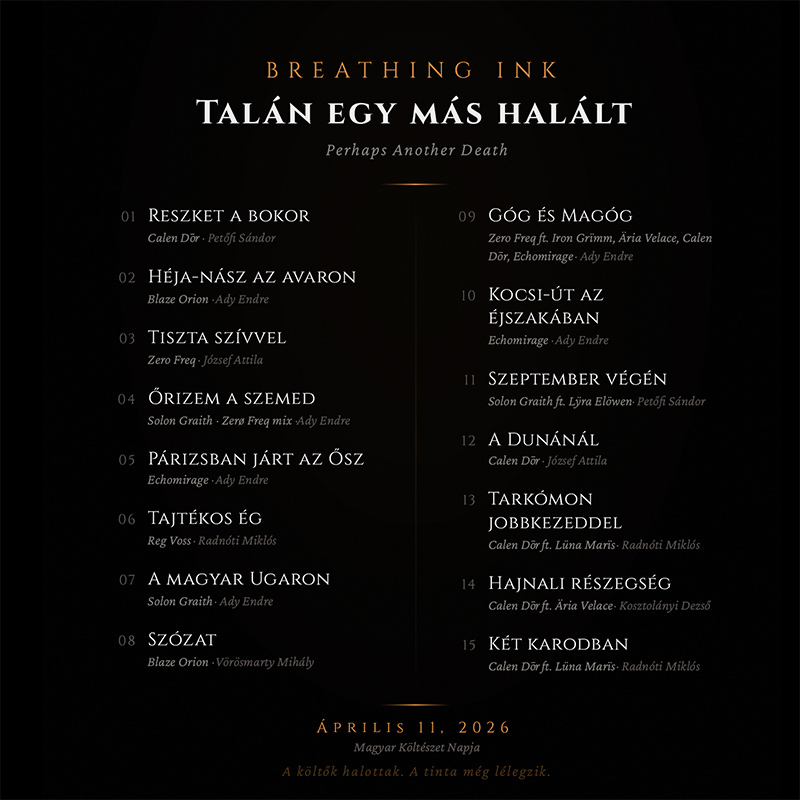
A journey from awakening to the edge of the abyss — through love, rage, war, hallucination, revelation, and the lullaby at the end of everything.
“S továbbálmodtam akkor — talán egy más halált.”
“And I dreamed on — perhaps another death.”
— Radnóti MiklósThe title comes from Radnóti Miklós, who wrote in his wife’s arms. Three years later, he was murdered on a forced march. They found the poems in his coat pocket.
Click a track to expand
| 01 | Reszket a bokor | Petőfi Sándor | Calen Dōr |
| The bush is trembling. The gentlest opening — a love poem that sets the tone before everything burns. | |||
| 02 | Héja-nász az avaron | Ady Endre | Blaze Orion |
| Hawk-wedding on the fallen leaves. A tribal, predatory love hunt. Fire meets fire. | |||
| 03 | Tiszta szívvel | József Attila | ZerØ Freq |
| With a pure heart. The rage of a twenty-year-old orphan genius. Rap-metal-synth fury. | |||
| 04 | Őrizem a szemed | Ady Endre | Solon Graith (Zerø Freq mix) |
| I guard your eyes. A vigil for a dying lover. Blues-soul meets electronic undercurrent. | |||
| 05 | Párisban járt az Ősz | Ady Endre | Echomirage |
| Autumn walked in Paris. A synth-pop waltz with Death in the Bois de Boulogne. | |||
| 06 | Tajtékos ég | Radnóti Miklós | Reg Voss |
| Foaming sky. War poetry. The sky foams and the land is a wound. Blues-folk survival hymn. | |||
| 07 | A magyar Ugaron | Ady Endre | Solon Graith |
| On the Hungarian wasteland. Fallow fields, a sleeping nation. The most bitter song on the album. | |||
| 08 | Szózat | Vörösmarty Mihály | Blaze Orion |
| The Appeal. Hungary’s second national anthem, reborn as cinematic rock. A fiery oath of loyalty. | |||
| 09 | Góg és Magóg | Ady Endre | ZerØ Freq ft. Iron Grïmm, Äria Velace, Calen Dōr, Echomirage |
| Gog and Magog. Five voices on one track. The album’s defiant centerpiece — “MÉGIS!” | |||
| 10 | Kocsi-út az éjszakában | Ady Endre | Echomirage |
| Carriage ride through the night. A broken moon, two voices splitting the darkness. Glitch-pop melancholy. | |||
| 11 | Szeptember végén | Petőfi Sándor | Solon Graith ft. Lÿra Elöwen |
| At the end of September. A ghost calling from beyond the grave. Lÿra Elöwen’s thirty seconds are the most beautiful on the album. | |||
| 12 | A Dunánál | József Attila | Calen Dōr |
| By the Danube. The river that carries everything — past, present, the living and the dead. A blinding river of light. | |||
| 13 | Tarkómon jobbkezeddel | Radnóti Miklós | Calen Dōr ft. Lüna Marïs |
| Your right hand on my neck. The hinge of the album. The nightmare comes. Sleep pulls you under. | |||
| 14 | Hajnali részegség | Kosztolányi Dezső | Solon Graith ft. Äria Velace |
| Dawn intoxication. The spiritual peak. A dying poet looks out his window at 3 AM and sees heaven open. | |||
| 15 | Két karodban | Radnóti Miklós | Calen Dōr ft. Lüna Marïs |
| In your arms. The lullaby at the end of everything. After seeing heaven, you lie down and pass through death like passing through a dream. | |||

The thread that ties the album together. Seven tracks, from the gentle opening to the final lullaby.
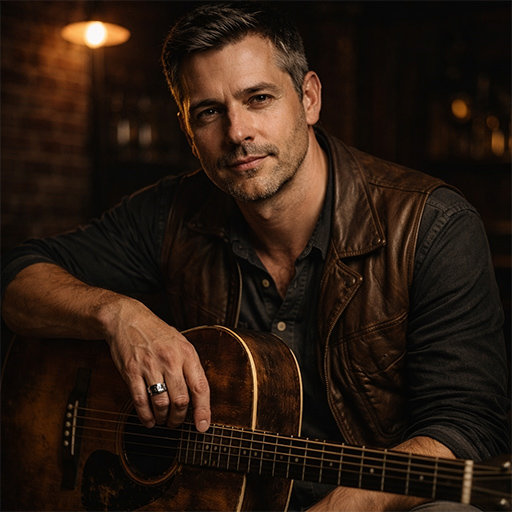
The most weathered voice on the album. Four tracks, four different shades of survival.
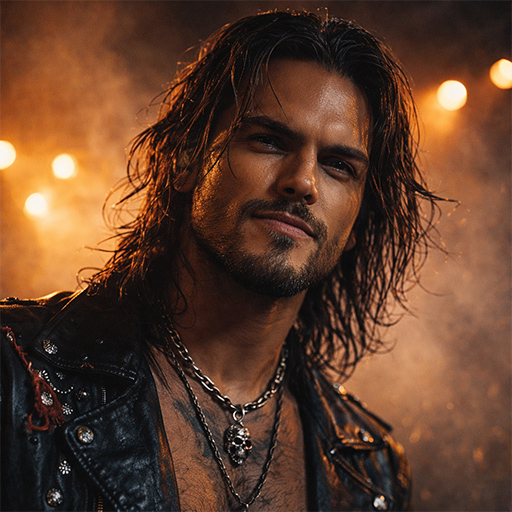
Fire. Two tracks — the tribal hunt and the patriotic rock anthem.

The voice that says “I’m alive” like it costs him everything. One track: the cigarette at the end of the world.

The wife, the lullaby. She calms the nightmare and closes the album.

Crystalline female voice cutting through three different darknesses.

The dual voice. The Parisian waltz, the broken moon.

One appearance: the final chorus of Szeptember végén. The most beautiful thirty seconds on the album.

The outcast, the rapper, the producer.
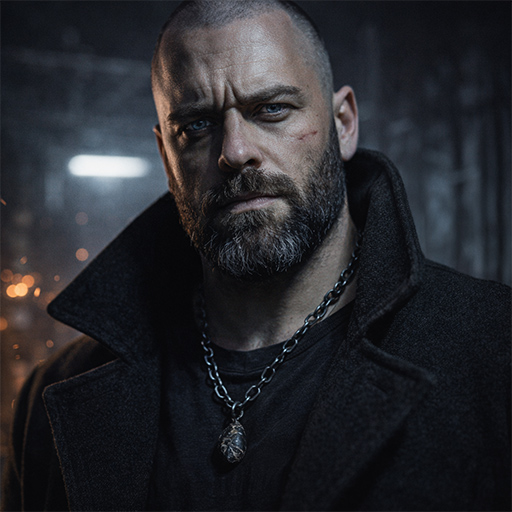
One word, repeated: MÉGIS.
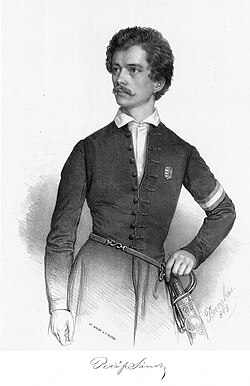
Revolutionary poet. Died at 26 on the battlefield at Segesvár. His body was never found. Two tracks carry his ghost.
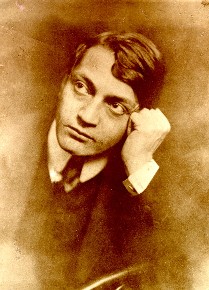
The rebel who remade Hungarian poetry. Six tracks — more than any other poet on the album.
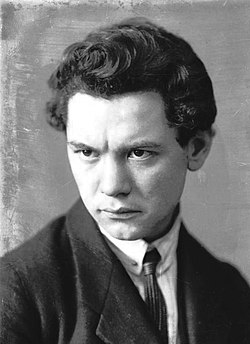
Orphan, outcast, genius. Threw himself under a train at 32. Two tracks: the rage of twenty and the river that carries everything.
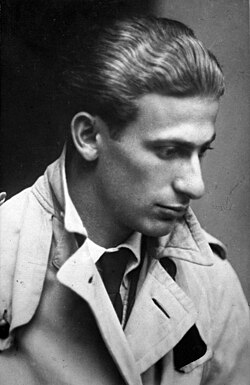
Murdered on a forced march in November 1944. His last poems were found in his coat pocket in a mass grave. Three tracks — the gravitational core of the album.

The dying poet who looked out his window at 3 AM and saw heaven open. One track: the album’s spiritual peak.
Ez az album minden magyar tanárnak szól, aki valaha megpróbálta átadni, hogy miért számítanak ezek a szavak.
Különösen Kovács Kálmánnak.